September 2, 2026
Before committing to a metal fabrication company for your project, it is crucial to ensure they meet your requirements and can deliver quality results. Asking the right questions provides valuable insights into their capabilities, reliability, and technical expertise. Understanding the depth of their skills and operations prevents unforeseen complications down the line, ensuring a seamless manufacturing process. A metal fabrication company should be considered an extension of your own capabilities, augmenting what your organization can achieve. The right partnership will be defined by their ability not just to deliver on time, but to innovate in ways that directly align with your project's unique demands.
According to the U.S. Bureau of Labor Statistics, Employment of welders, cutters, solderers, and brazers is projected to grow two percent from 2024 to 2034. As the industry expands, selecting a partner with proven processes becomes increasingly essential for long-term project success. Evaluating potential partners based on concrete operational criteria ensures your design specifications are executed flawlessly. Taking the time to ask strategic questions during the vetting process saves time, reduces material waste, and guarantees that your final product adheres to strict safety and quality standards.
Establishing clear lines of communication from the very beginning helps foster a strong collaborative partnership. Transparent discussion surrounding production timelines, budget parameters, and material availability eliminates costly guesswork for all parties involved. When you choose a fabricator who values open dialogue, you gain an active problem-solver capable of identifying potential design flaws prior to full-scale manufacturing. Taking proactive steps early in the vendor selection phase ultimately streamlines your entire production pipeline.
Evaluating Industry Experience
When assessing a metal fabrication company, understanding their direct industry experience is pivotal. An established partner often brings seasoned processes and operational reliability that significantly reduce project risk. You should inquire about the specific types of projects they have completed across various sectors, as this indicates the breadth of their technical knowledge. A diverse portfolio demonstrates structural adaptability and practical problem-solving capabilities when navigating complex engineering requirements.
A company's track record often parallels their ability to deliver on technical promises under tight schedules. Reviewing past work offers clear insights into the level of craftsmanship, precision, and material handling you can expect. Furthermore, certified expertise and specialized skills highlight a commitment to maintaining rigorous manufacturing standards. Partnering with experienced fabricators ensures your project benefits from industry best practices and efficient assembly techniques. Experienced teams can also proactively suggest design refinements to improve part longevity.
In addition to reviewing past builds, asking for direct client references or detailed case studies can reveal how a fabricator operates under pressure. Learning how a team handles unexpected schedule changes, material supply bottlenecks, or late design modifications gives you a complete picture of their customer service ethos. A truly seasoned fabricator maintains lasting business relationships built on consistent execution, transparent pricing, and unwavering reliability across every single project build. This long-term focus guarantees dedicated support throughout every production cycle.
Assessing Material Versatility
The range of raw materials a metal fabrication company can work with is central to the structural solutions they offer. It is essential to understand their capabilities in sourcing and processing carbon steel, stainless steel, aluminum, and specialized alloys. Working with exotic or non-standard metals requires specific tooling, unique heat handling, and distinct welding protocols. Selecting a fabricator with broad material expertise ensures your design requirements are met without compromising structural integrity.
Additionally, the origin and quality of raw stock directly affect the longevity and durability of the finished product. Reliable material sourcing reflects a commitment to quality control, as inferior metals can cause premature structural failure or finish defects. A transparent partner will also discuss the cost implications of different material choices early in the project design stage. Balancing performance requirements with material budgets ensures a cost-effective manufacturing process without sacrificing performance.
Understanding a shop's inventory management and supply chain network is equally vital when selecting your manufacturing partner. Fabricators with established mill relationships can often secure specialty alloys faster and at more competitive rates, shielding your project from unexpected market fluctuations. Furthermore, proper shop floor storage and material segregation prevent cross-contamination, which is especially critical when handling corrosion-resistant metals like stainless steel or sensitive aluminum alloys. Evaluating material tracking protocols ensures complete transparency from initial procurement through final assembly.
Investigating Technical Capabilities
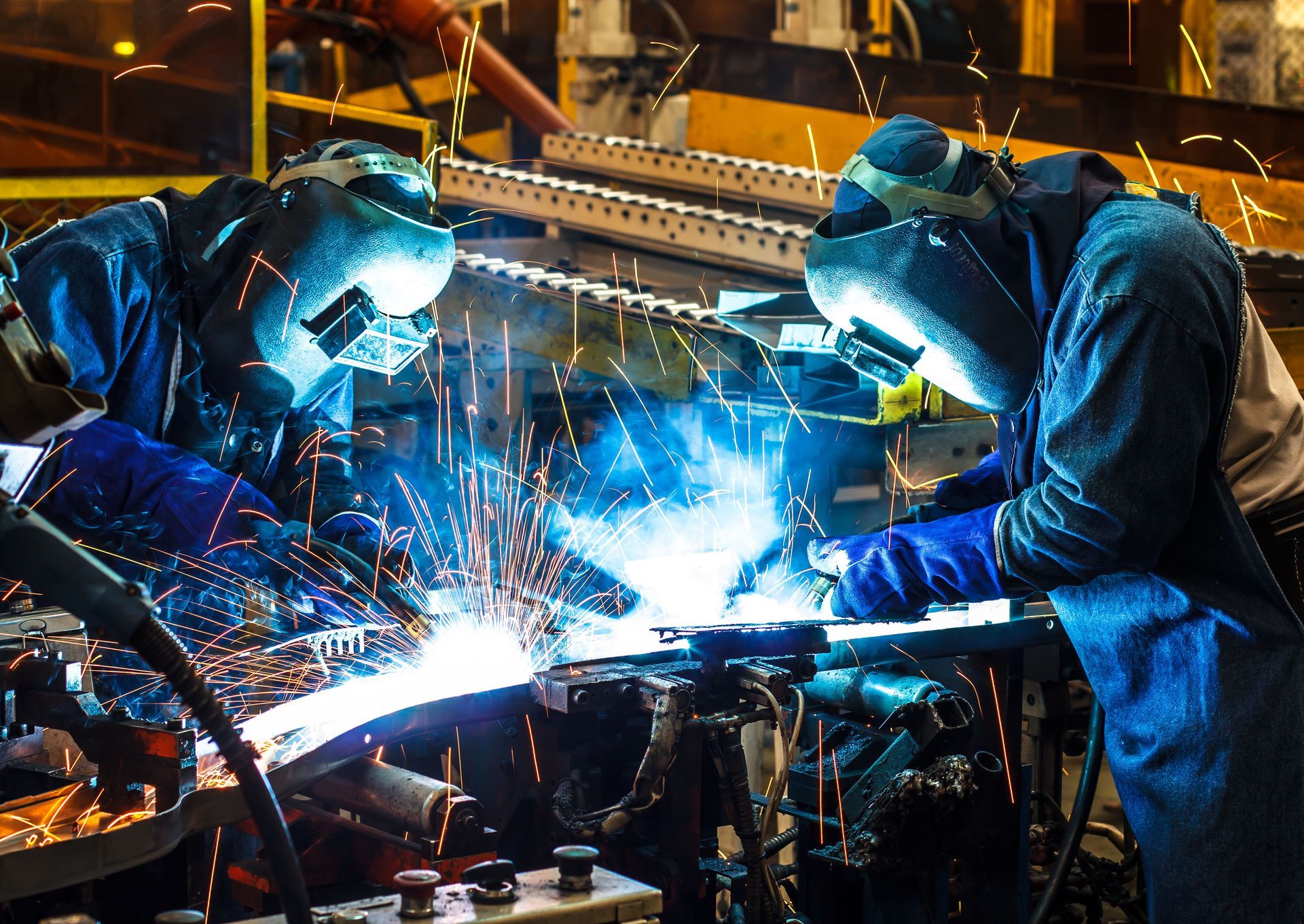
Understanding the specialized fabrication techniques a company utilizes provides vital insight into their technological capabilities. Leading facilities combine manual craftsmanship with automated processes, such as CNC machining, fiber laser cutting, and robotic welding. Inquiring about their equipment list helps gauge whether they can achieve exact dimensional tolerances for complex components. Advanced machinery ensures high repeatability, reduced lead times, and superior precision across production runs. Having access to modern secondary finishing options further streamlines complete production schedules.
A capable metal fabrication company must balance modern technology with stringent quality control and safety protocols. Implementing robust quality checks at each stage of production guarantees that every component meets project specifications before final assembly. Furthermore, strict adherence to workplace safety standards ensures that operations run smoothly without unnecessary project delays. Ensuring your fabricator prioritizes precision machining and safety compliance guarantees a high-performing product delivered on schedule.
Modern fabrication also relies heavily on advanced computer-aided design (CAD) and computer-aided manufacturing (CAM) software integration. A top-tier facility will review your digital blueprints to optimize parts for manufacturing, reducing shop floor labor and minimizing scrap rate. By leveraging automated nesting algorithms and virtual simulations, an innovative fabricator can identify potential fitment issues long before any physical metal is cut, saving your organization both valuable time and capital.
Reviewing Quality Assurance
Quality assurance measures are vital for ensuring that every fabricated assembly conforms strictly to technical specifications and industry standards. Inquiring about specific inspection protocols, such as non-destructive testing, ultrasonic testing, and dimensional verification, offers peace of mind. Adherence to recognized standards like ISO or ASME ensures consistent output and compliance with regulatory codes. A thorough quality control framework prevents material defects and minimizes costly rework during installation.
Beyond machinery and testing tools, employee certifications and continuous training play a major role in overall output quality. Skilled fabricators who undergo regular training remain updated on modern welding techniques and safety mandates. Moreover, a dedicated fabricator actively practices continuous improvement to refine operational workflows and reduce waste. Partnering with a company dedicated to quality assurance ensures superior product durability and long-term reliability.
Comprehensive documentation is another hallmark of a sophisticated quality assurance system. From raw material test reports and heat numbers to detailed weld inspection logs, complete traceability guarantees accountability throughout the manufacturing cycle. Should your project require strict regulatory compliance or third-party auditing, working with a fabricator who maintains meticulous record-keeping protocols ensures that every compliance requirement is met without unnecessary hassle or administrative delays.
Selecting the right metal fabrication company involves a thorough investigation of their experience, technical capabilities, material handling, and quality control systems. By asking targeted questions early in the planning stage, you establish a solid foundation for a successful collaboration. The ideal partner will not only meet your exact technical specifications but will also streamline your supply chain and enhance final product performance. Investing time in the vetting process ultimately safeguards your project timeline and budget. For more information about the services that we offer, reach out to our incredible team at Land or Sea Welding and Fabrication today!