November 4, 2026
Marine metal fabrication is an essential component of the maritime industry. It involves the process of cutting, shaping, assembling, and finishing metal materials to create various parts and structures for use in marine applications. These processes are critical due to the harsh conditions of marine environments, where durability, strength, and corrosion resistance are paramount. The scope of this article is to provide a comprehensive overview of marine metal fabrication, focusing on its applications, challenges, techniques, and future trends. By understanding the intricacies of marine metal fabrication, industry stakeholders can ensure the continuation of robust marine operations.
Such fabrication is indispensable in constructing and maintaining vessels like ships, submarines, and offshore platforms. Its importance cannot be overstated, as it enhances the longevity and safety of marine structures. According to US News, U.S. industry growth, coupled with baby boomers retiring from welding, will require about 90,000 welding jobs to be filled each year between now and 2027. Given the demanding marine environments, specialized skills and techniques are required to produce quality metal components capable of withstanding corrosive saltwater and variable weather conditions. Over the years, the field has evolved with technological advancements, improving the efficiency and effectiveness of fabrication processes. As the maritime industry expands, the expertise in marine metal fabrication becomes increasingly vital.
The focus of this article is to elucidate various facets of this specialized field. We will explore the types of metals used, their required properties, and the array of fabrication techniques employed. Furthermore, the article surveys the role of design in metal fabrication, elaborates on quality assurance practices, and discusses current trends and future directions. Through this exploration, readers will gain insight into the factors influencing marine metal fabrication, from materials to innovation, ensuring they are well-prepared to meet the demands of this dynamic sector.
The Role of Metal Fabrication in Marine Applications
Metal fabrication plays a central role in the maritime industry, primarily in shipbuilding, repair, and maintenance. The construction of ships and marine structures demands precise and robust metalwork due to the unique challenges posed by marine environments. Fabrication processes such as cutting, welding, and assembling are critical in constructing hulls, decks, and other structural components of vessels. Furthermore, effective metal fabrication ensures that ships remain seaworthy, efficient, and capable of enduring the harsh conditions at sea. This underscores the necessity for skilled fabricators who can produce metal components that meet stringent maritime standards.
Maintenance and repair of marine vessels also hinge on effective metal fabrication. Parts and structures often experience wear and damage due to prolonged exposure to corrosive saltwater and fluctuating weather conditions. Here, fabrication skills are necessary to restore integrity and functionality, a process that involves the removal, repair, and replacement of metal components. These maintenance activities are crucial for ensuring the safety and performance of ships over their lifespans. Consequently, marine facilities and shipyards invest heavily in skilled personnel and advanced equipment to carry out such essential tasks efficiently and reliably.
Beyond ships, marine metal fabrication is vital for offshore structures like oil platforms, wind turbines, and underwater cables. These structures require strong, corrosion-resistant metals to ensure stability and operational longevity. As the global demand for offshore energy resources grows, so does the need for advanced fabrication techniques. Technological advancements in the field are paving the way for more durable and efficient designs, emphasizing the continued relevance and evolution of marine metal fabrication. With the marine industry's growth trajectory, fabrication remains foundational to supporting maritime infrastructure.
Key Metals Used in Marine Fabrication
The choice of metals in marine fabrication is of utmost importance, given the harsh marine environment. Among the most commonly used metals are steel and aluminum, both valued for their strength and corrosion resistance. Steel, especially forms such as stainless steel, is favored for its durability and ability to withstand mechanical stress. Conversely, aluminum is prized for its light weight, which contributes to fuel efficiency and ease of handling in shipbuilding. Other metals and alloys, such as titanium and bronze, are used for specific applications, each offering unique benefits tailored to combating marine challenges.
Steel, a mainstay in shipbuilding, provides high tensile strength and resilience, making it ideal for hull construction and important structural components. Marine-grade steels often contain additional alloys designed to enhance corrosion resistance and durability under stress. Aluminum's lightweight properties are often utilized in constructing components where weight is a critical factor, such as superstructures and smaller vessels. Its natural corrosion resistance due to the formation of a protective oxide layer makes it suitable for various marine applications, including fittings and internal structures.
Specific alloys, like bronze and brass, are utilized in marine applications due to their resistance to corrosion and biofouling. These materials are typically employed in components like propellers, pumps, and valves. Other advanced alloys have been developed for specialized needs, such as titanium for high-strength, lightweight applications, often used in submarines and high-performance vessels. The selection of metal in marine fabrication involves balancing multiple factors including cost, performance characteristics, and environmental impact. This careful material choice is crucial to ensuring the longevity and reliability of marine metal structures.
Properties of Marine-Grade Metals
Marine-grade metals are known for their unique properties, specifically engineered to endure harsh marine environments. The primary requirement for these metals is corrosion resistance, given the constant exposure to saline water and humid air. Metals like stainless steel and certain aluminum alloys are popular because they can naturally form protective surface coatings that prevent the ingress of seawater and contaminants. Additionally, mechanical strength and ductility are critical properties that ensure metals can withstand the constant pressures and mechanical forces encountered at sea. This combination of properties is what qualifies metals for use in marine fabrication.
Toughness is another essential property, particularly for metals used in load-bearing components like hulls and decks. Marine-grade metals must endure constant stress from waves and potential impacts from floating debris or collisions. The ability to absorb energy and resist fracture or deformation under such forces is vital. Fatigue resistance is also a significant attribute, especially in moving parts like propellers and steering mechanisms, which encounter repetitive loading. The development of new alloys aims to enhance these properties, providing superior performance even in the most demanding marine conditions.
Sustainability is increasingly considered when evaluating marine-grade metals. The lifecycle and recyclability of the metal are critical factors, alongside traditional performance metrics. Innovations in metallurgy have led to materials that not only meet performance and environmental standards but also cohere to global sustainability initiatives. This sustainable approach ensures that the maritime industry can continue using these metals without adversely affecting the environment. Such advancements reaffirm the importance of innovation in meeting the evolving demands of marine metal fabrication.
Common Fabrication Techniques
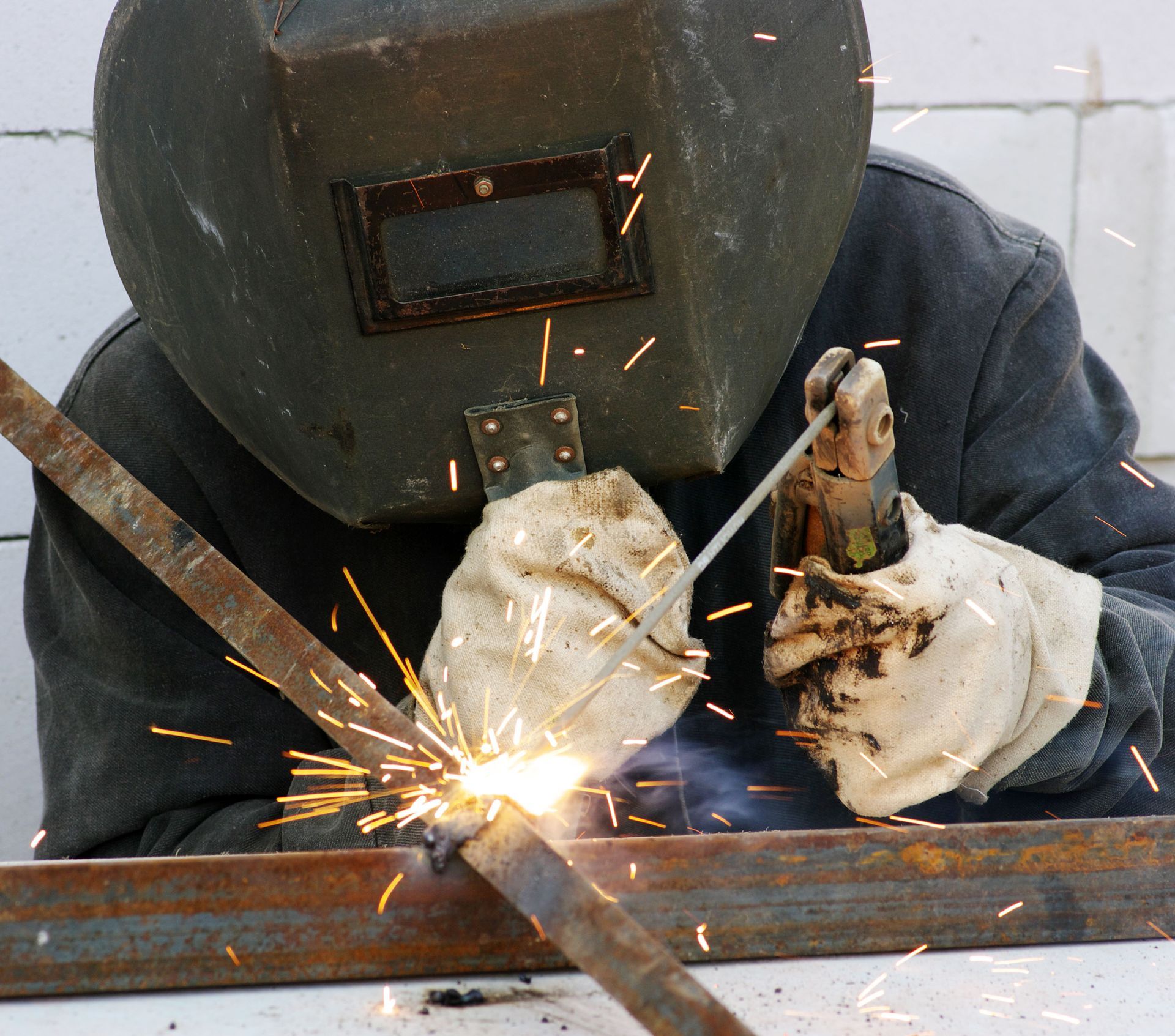
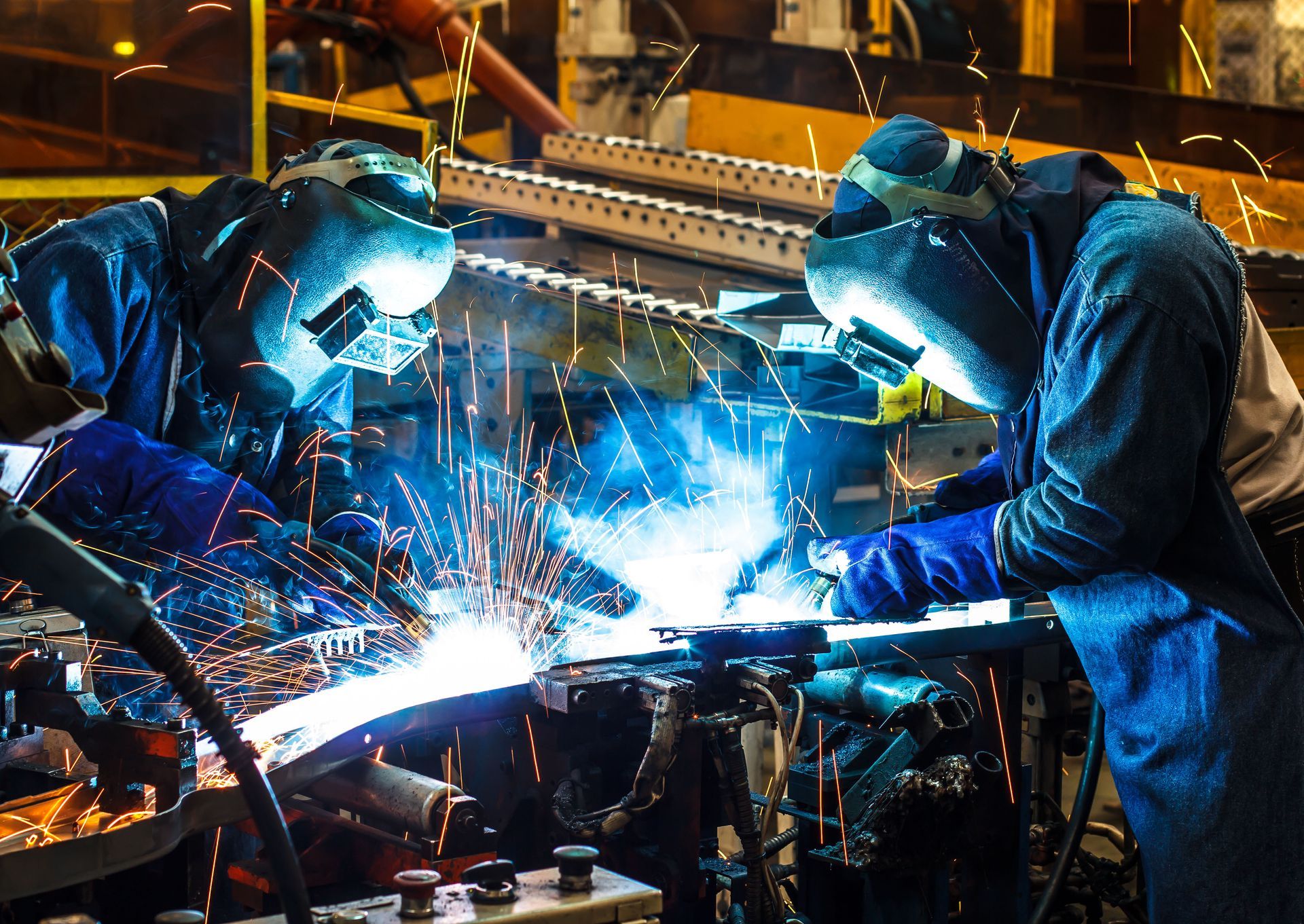
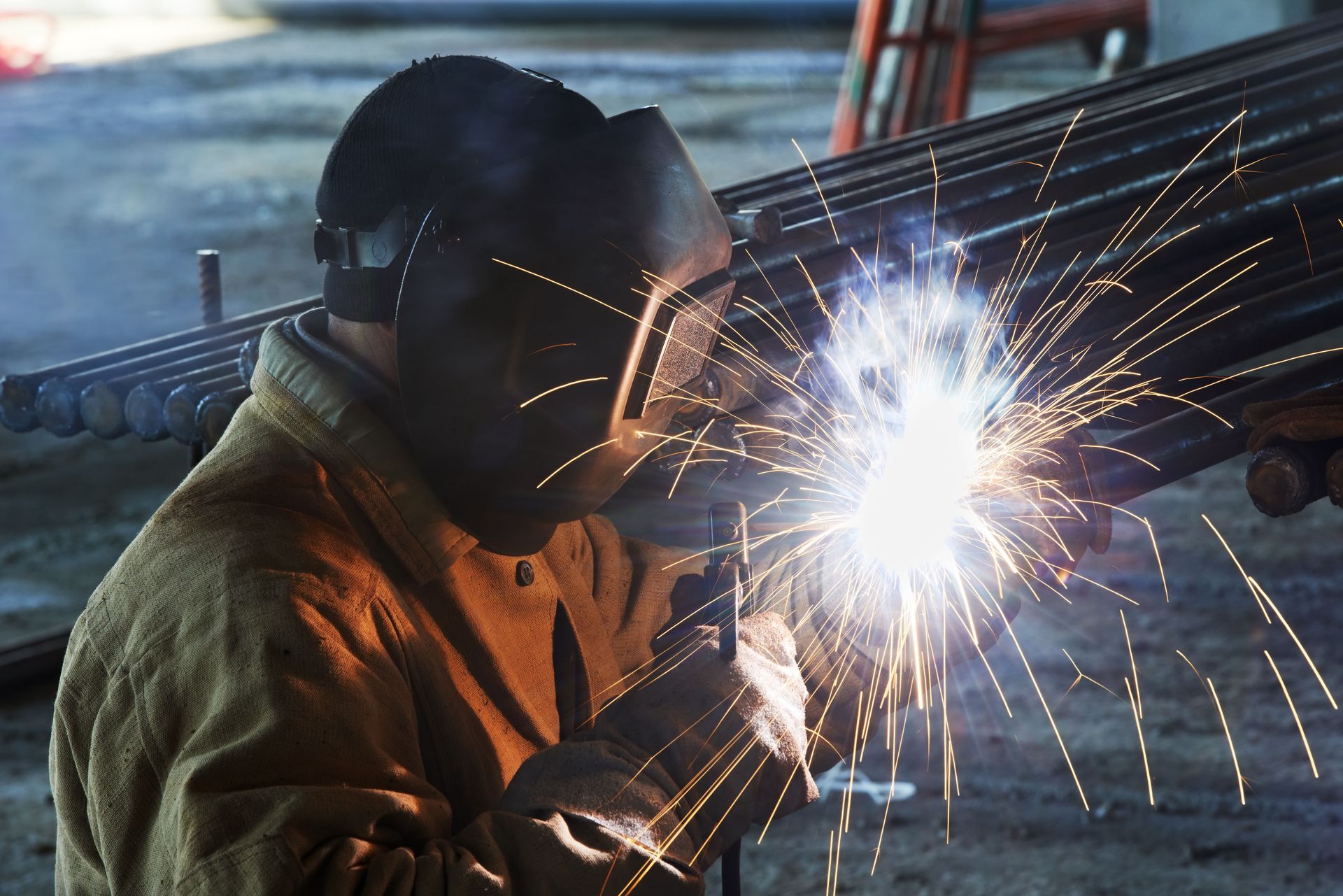
Numerous techniques are employed in marine metal fabrication, each suitable for specific applications and materials. Traditional methods such as welding, cutting, and forming remain fundamental, with adaptations and improvements over time. Welding, for example, is indispensable in joining metal components, with modern techniques including MIG and TIG welding offering increased precision and durability. Cutting techniques, such as plasma cutting and laser cutting, allow for high-precision shaping of metal components crucial for intricate designs. These techniques form the bedrock of marine metal fabrication, ensuring structural integrity and aesthetic quality.
Beyond traditional approaches, contemporary fabrication techniques have introduced advanced methods like CNC machining and robotic automation. Computer Numerically Controlled (CNC) machining offers unparalleled precision and consistency, crucial when fabricating components that require exact measurements. Automation, including robotic welding arms, not only enhances precision but also improves safety by minimizing human involvement in hazardous tasks. These advances have significantly enhanced production efficiency, reducing time and cost factors associated with traditional methods while maintaining the high standards demanded by marine applications. Be sure to reach out to Land or Sea Welding and Fabrication today to learn more about our professional marine metal fabrication!